
Cable Railing

Cable Railing for Michigan Decks: Here’s What to Think About

Highlights from this Article:

  • Cable railing preserves views and gives a deck a clean, modern look at a lower cost than glass.
  • Horizontal cable runs are the most common, but vertical cable is worth considering for households with young children.
  • Stainless steel cable is durable and low-maintenance, but cables can loosen over time and may need periodic retensioning.
  • Post spacing can be closer with cable railing than with standard balusters, and some designs require small ‘intermediate pickets’ to lend extra support the cables.
  • Ann Arbor Decks installs various aluminum and composite brands, including Key-Link Cable Rail, Westbury VertiCable, Trex Cable Railing, and DecKorators cable systems.
  • Ann Arbor Decks also installs custom wood-and-cable railing, like pine, cedar or Ipe railings with horizontal cables.

Skip down to the quick comparison table or the FAQs.

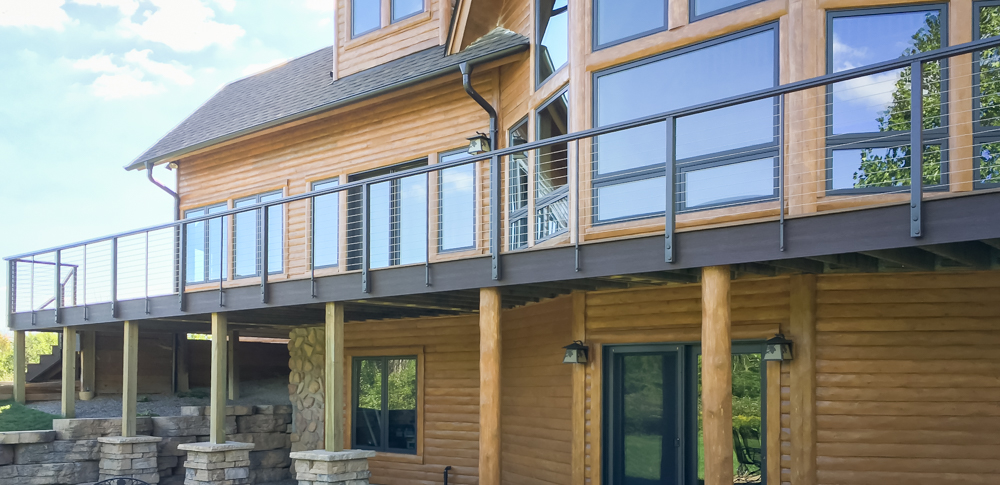
Cable railing has become one of the most popular railing upgrades we install — and it’s easy to see why. The thin horizontal (or vertical) stainless steel runs largely disappear from view, keeping your sightlines open without the cost and maintenance demands of a full glass panel system. For decks that face a wooded backyard, a garden, or any view worth preserving, cable railing is often the most practical choice. Plus, it gives a modern and very attractive look.

Horizontal cables work well as infills for natural cedar railings and rail posts. This is a great choice for homeowners looking for the upscale cabin, outdoorsy look. To achieve a modern and sleek style, homeowners choose

Horizontal vs. Vertical Cable

Most cables run horizontally. This is the look most people picture when they think of cable railing, and it works really well in the majority of situations.

Vertical cable runs the cables up and down between a bottom and top rail, similar in concept to traditional balusters but using cable instead. The visual effect is subtly different (slightly more structured than horizontal) and it addresses one concern that comes up with horizontal systems: climbability. Horizontal cables can act as a ladder for determined young children. If that’s a consideration in your household, vertical cable is worth discussing.

Ann Arbor Decks installs both orientations. The right choice depends on your household, your aesthetic preference, and sometimes the specific configuration of your deck.

Code Requirements

Cable railing must meet Michigan Residential Code requirements for railing systems. The key spacing requirement is that openings between cables cannot allow a 4-inch sphere to pass through, the same standard that applies to baluster spacing. This determines both the number of cable runs required and, for horizontal systems, the spacing between them. Your installer’s drawings need to reflect code-compliant spacing, which is something we verify on every project before the permit application goes in.

Post Spacing

This is the detail that most often surprises homeowners. Cable railing exerts significant lateral tension on the posts that anchor it, particularly the corner and end posts, which bear the full load of the cable runs. To handle that tension properly, posts in a cable railing system are typically spaced more closely together than in a standard baluster system. Aluminum corner and terminal posts are also often larger and more heavily anchored than intermediate posts.

What this means practically: a cable railing system requires more posts than you might expect, which affects the visual rhythm of the railing and adds some cost relative to a standard baluster system. It’s not a drawback so much as a design reality that we plan for.

Maintenance: Lower Than You’d Think, But Not Zero

Stainless steel cable is genuinely low-maintenance. It doesn’t rust, rot, or require painting, and it holds up well through Michigan’s freeze-thaw cycles. Occasional cleaning with mild soap and water is typically all it needs to stay looking sharp.

The one maintenance item to be aware of: cables can loosen over time, particularly in the first year or two after installation as the system settles. Periodic re-tensioning (tightening the cable at the tensioner fittings, which keeps the system looking taut and performing correctly). This is a straightforward task that most homeowners can handle themselves once shown how.

Brands We Install

We’re selective about the cable railing systems we install because the quality of the hardware (particularly the tensioners, fittings, and post systems) matters significantly for long-term performance. The brands we work with regularly:

  • Westbury VertiCable: Westbury makes a particularly clean vertical cable system, and their horizontal offerings are equally solid. Good choice for homeowners who want a refined, architectural look.
  • Trex Signature X Series Cable Railing: Integrates well with Trex composite decking for a cohesive material story from deck surface to railing. A natural fit if you’re already building with Trex.
  • Key-Link Cable Rail: A well-regarded system with a strong reputation for hardware quality and a wide range of post finish options. Key-Link offers both vertical and horizontal cable options.
  • ViewRail Cable Railing: A sleek, modern-looking system with a variety of configurations, including over-the-post cocktail rails, LED rail lighting, and very fine thin rod rail systems that look like cables, without the need to re-tension.
  • DecKorators Cable Railing: A reliable, traditional system with good design flexibility. Worth considering depending on the specific configuration of your project.

Each of these systems has its own post profiles, finish options, and hardware details. During the design phase, we’ll recommend the system that best fits your deck’s configuration, aesthetic, and budget.

Custom Wood Posts and Top Rails: Cedar and Ipe

One option worth knowing about: we also build custom cable railing systems with cedar or Ipe posts and top rails. If you’re building a cedar or Ipe deck surface and want the railing to match, or if you simply want the warmth and character of natural wood framing your cable runs, this is something we do and do well. Ipe in particular pairs beautifully with stainless steel cable — the rich, dark hardwood and the clean metal lines complement each other in a way that aluminum post systems simply can’t replicate. Cedar offers a similar warmth at a more accessible price point.

Cable vs. Other Railing Options at a Glance

Cable Railing Glass Railing Standard Balusters
Sightlines Very open Most open Partially obstructed
Cost Mid-to-upper range Upper range Most accessible
Maintenance Low (occasional retensioning) Low (regular cleaning) Low to moderate
Airflow Excellent Blocked Good
Child safety Consider vertical orientation Not climbable Not climbable
Post spacing Closer than standard Varies by system Standard

Frequently Asked Questions

Is cable railing safe? Yes, when properly installed to code. The 4-inch maximum opening requirement is the same standard applied to all railing systems and is designed to prevent children from getting through or stuck. The posts and hardware must be correctly specified and anchored for the cable tension loads involved. Professional installation matters here. Improperly anchored terminal posts are a safety issue.

How does cable railing compare in cost to glass? Cable railing is generally less expensive than glass railing, particularly frameless glass systems. It’s more expensive than standard aluminum or composite balusters. As we noted in our glass railing post, the cost varies by system and configuration. The best way to compare is to request quotes for both and see what the difference looks like for your specific deck.

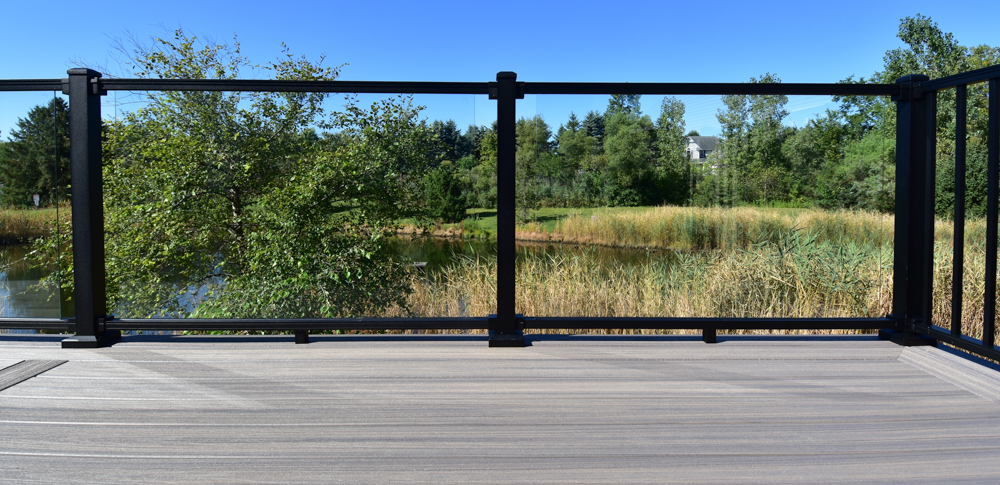
Will the cables block my view? Much less than you might expect. Horizontal stainless steel cables are thin and largely recede from view, especially when you’re seated. The effect is noticeably more open than traditional balusters. That said, the top rail and posts are still visible. Cable railing isn’t as visually unobstructed as a frameless glass system, but it comes close at a lower price point.

Can cable railing be added to an existing deck? Often yes, provided the deck’s existing framing is sound and the posts can be properly anchored for cable tension loads. We assess this during our on-site consultation. In some cases, the existing post anchoring needs to be upgraded before a cable system can be installed correctly.

Does cable railing require a permit? Railing replacement or installation on an elevated deck sometimes requires a building permit in Washtenaw County townships and municipalities. Ann Arbor Decks handles the permitting process for every railing project we install.

Let’s Talk Through Your Options

If you’re considering cable railing for a new deck or as an upgrade to an existing one, we’d be glad to walk through the options with you on-site. Our free consultations take about 45 to 60 minutes and come with a written, no-obligation quote.

Book your free estimate today. We serve Ann Arbor, Saline, Dexter, Chelsea, Pittsfield Township, Ypsilanti, and the surrounding Washtenaw County area.
{ "@context": "https://schema.org", "@type": "FAQPage", "mainEntity": [ { "@type": "Question", "name": "Is cable railing safe?", "acceptedAnswer": { "@type": "Answer", "text": "Yes, when properly installed to code. The 4-inch maximum opening requirement is the same standard applied to all railing systems and is designed to prevent children from getting through or stuck. The posts and hardware must be correctly specified and anchored for the cable tension loads involved. Professional installation matters here. Improperly anchored terminal posts are a safety issue." } }, { "@type": "Question", "name": "How does cable railing compare in cost to glass?", "acceptedAnswer": { "@type": "Answer", "text": "Cable railing is generally less expensive than glass railing, particularly frameless glass systems. It is more expensive than standard aluminum or composite balusters. The cost varies by system and configuration. The best way to compare is to request quotes for both and see what the difference looks like for your specific deck." } }, { "@type": "Question", "name": "Will the cables block my view?", "acceptedAnswer": { "@type": "Answer", "text": "Much less than you might expect. Horizontal stainless steel cables are thin and largely recede from view, especially when you are seated. The effect is noticeably more open than traditional balusters. That said, the top rail and posts are still visible. Cable railing is not as visually unobstructed as a frameless glass system, but it comes close at a lower price point." } }, { "@type": "Question", "name": "Can cable railing be added to an existing deck?", "acceptedAnswer": { "@type": "Answer", "text": "Often yes, provided the deck's existing framing is sound and the posts can be properly anchored for cable tension loads. We assess this during our on-site consultation. In some cases, the existing post anchoring needs to be upgraded before a cable system can be installed correctly." } }, { "@type": "Question", "name": "Does cable railing require a permit?", "acceptedAnswer": { "@type": "Answer", "text": "Railing replacement or installation on an elevated deck sometimes requires a building permit in Washtenaw County townships and municipalities. Ann Arbor Decks handles the permitting process for every railing project we install." } } ] }
Read more

Glass Railing

Glass Railing for Michigan Decks: Here’s What to Think About

Highlights from this Article:

  • Glass railing offers unobstructed views and a clean, modern aesthetic, but it comes with real maintenance, airflow, and hardware considerations that matter in Michigan’s climate.
  • Tempered glass is the standard safety choice for outdoor deck railings, but laminated glass (a much more expensive option), is sometimes recommended.
  • Glass panels block airflow, which can make a deck feel warmer in summer. Mixing glass panels with other railing infill types (like balusters or cables) is a popular solution.
  • Hardware, not glass, is typically the first thing to show wear in Michigan’s freeze-thaw climate. Quality matters here.
  • Cost varies significantly depending on the system you choose. Fully frameless installations are the most expensive; aluminum-framed systems are more accessible.

Skip down to the cost overview or the FAQs.

There’s a reason glass railing has become one of the most requested upgrades in deck design. When it’s done well, it makes a deck feel larger, lighter, and more connected to the yard beyond it. If you have a view worth preserving (a wooded backyard, a garden, a waterfront), glass railing lets you keep it front and center.

Before you commit, there are practical questions worth thinking through, especially here in Michigan, where the climate puts outdoor materials through their paces year-round. This post walks through the most important ones.

Safety: What Makes Glass Railing Structurally Sound

The first question many homeowners ask is simply: is glass railing safe? The answer is yes, when it’s properly specified and installed. Here’s what that means in practice.

Tempered Glass

Tempered glass is the standard safety specification for deck railing. It’s been heat-treated to be significantly stronger than ordinary glass, and crucially, when it does break from a severe impact, it shatters into small, relatively harmless fragments rather than large dangerous shards. Building codes in Michigan, as in most states, require tempered glass for railing applications.

Laminated Glass

Laminated glass takes safety a step further. It consists of two glass layers bonded together with an interlayer (typically a plastic film) that holds the glass together if it breaks. Rather than shattering, a broken laminated panel tends to crack and hold its shape, which is particularly relevant for elevated decks, where a failed panel could be a falling hazard. Some installations use a tempered-laminated combination that delivers the strength benefits of both.

The Three Main Glass Railing Systems

At Ann Arbor Decks, we install three primary types of glass railing systems, each with a different aesthetic and price point.

Aluminum-Framed Glass Panels

Aluminum-framed systems enclose each glass panel in an aluminum frame which is hung between a top and bottom rail. They’re the most economical glass railing option and are very durable. Aluminum handles Michigan’s freeze-thaw cycles well and requires minimal maintenance. Framed glass is a great way to enjoy the view while still keeping that aluminum top rail to hold or lean on. The traditional posts also allow you to install lighted rail post caps. In our experience, this is the most popular choice for Ann Arbor area homeowners with elevated decks.

Trex Signature Glass — a framed glass rail system.

Semi-Frameless (Post-Mounted) Glass Panels

Semi-frameless systems use posts (typically aluminum or stainless steel) spaced at intervals, with glass panels fitted between them. You get most of the visual openness of a frameless system at a more accessible price point. The posts provide additional structural support and give the installation some flexibility in terms of panel sizing.

Trex Signature X Glass semi-frameless look.

Fully Frameless Glass Panels

Frameless systems use thick glass panels (typically 1/2 inch or more) anchored at the base with a metal shoe and on the sides with small clips. The result is the cleanest, most unobstructed look available, almost invisible from certain angles. Frameless systems are also the most expensive option and require precise installation to perform correctly. They work beautifully on elevated decks with views worth showcasing.

ViewRail’s Talon frameless system.

Michigan Climate Considerations

Michigan’s climate and glass railing: what to consider.

Airflow and Heat Retention in Summer

This is one of the most practical considerations that often surprises homeowners. Glass panels are solid barriers that block wind almost as effectively as a solid wall. On a warm Michigan summer afternoon, a deck fully enclosed with glass railing can feel noticeably hotter than one with open balusters or cable railing, because there’s no airflow coming through at railing height.

One approach we frequently discuss with customers: mixing glass panels with other railing types. For example, using glass on the sides of a deck where you want to block a neighbor’s sightline or a prevailing wind, while using cable or aluminum balusters on the sections that face your yard and view. This gives you the visual openness of glass where it matters most, without sacrificing cross-ventilation across the whole deck.

Pollen and Hard Water Buildup

Michigan springs are generous with pollen, and if your area has hard water (common throughout Washtenaw County), sprinkler overspray or rain splash can leave mineral deposits on glass panels. Plan for regular cleaning as part of your deck maintenance routine. Most glass panels can be cleaned with a standard glass cleaner and a soft cloth; avoid abrasive pads that can scratch the surface. Anti-spotting treatments and hydrophobic coatings (like Rain-X) are available for glass panels and are worth considering if low-maintenance is a priority for you.

Cost: What to Expect

Glass railing costs vary significantly depending on which system you choose. As a general orientation:

  • Aluminum-framed glass is the most budget-friendly glass option and is competitive with mid-range traditional railing systems.
  • Semi-frameless post-mounted glass sits in the mid-to-upper range, noticeably more than standard aluminum balusters, but delivering a premium aesthetic in return.
  • Fully frameless glass is the most expensive option, reflecting both the thicker glass specification and the precision installation it requires.

The best way to understand what glass railing will cost for your specific deck is an on-site consultation. We’ll walk through the options with you and provide a clear, itemized quote so you can compare systems side by side.

Is Glass Railing Right for Your Deck?

At Ann Arbor Decks, we don’t steer customers away from glass railing. It’s a genuinely excellent product when it fits the situation. What we do is make sure you’re going in with a clear picture of what it involves, so the choice you make is one you’ll be happy with for years.

Glass railing tends to shine brightest when the deck has a view worth framing, when the homeowner is committed to occasional cleaning and maintenance, and when the system is specified with quality hardware suited to Michigan’s climate. When airflow is a concern, a mixed railing approach often delivers the best of both worlds.

Frequently Asked Questions

Is glass railing safe for homes with children or pets? Yes, when properly installed. Tempered glass is engineered to withstand significant impact, and the panels are anchored to meet building code load requirements. As with any railing system, installation quality matters. Panels need to be correctly secured and the system needs to meet local code for height and structural performance.

How do I clean glass railing panels? Standard glass cleaner and a soft microfiber cloth handle most cleaning needs. For hard water deposits or pollen buildup, a diluted white vinegar solution works well. Avoid abrasive scrubbers or steel wool, which can scratch the glass surface. Hydrophobic coatings (Think Rain-X) applied at installation can significantly reduce how often cleaning is needed.

Will glass railing make my deck feel hotter in summer? It can, particularly on decks that are fully enclosed with glass on all sides. Glass panels block airflow at railing height, which can make the deck feel much warmer on still summer days. Mixing glass panels with open railing sections on some sides of the deck is a practical way to preserve views while maintaining cross-ventilation.

How does glass railing hold up to Michigan winters? The glass itself is very durable in cold weather. Both tempered and laminated glass handle freeze-thaw cycles without issues. The hardware deserves more attention. Stainless steel and marine-grade aluminum components hold up significantly better than lower-grade hardware over years of Michigan winters. Ask about hardware specification when comparing systems.

Does glass railing require a building permit? Possibly. Railing replacement or installation sometimes requires a permit in local townships and municipalities. If a permit is required, Ann Arbor Decks will handle the permitting process for our installations, so you don’t need to navigate that yourself.

Can glass railing be added to an existing deck? Often yes, provided the deck’s existing framing and rim joists are in sound condition and can support the anchoring requirements of the glass system. We assess this during our on-site consultation. In some cases, minor framing reinforcement and some deck board replacement are needed before glass railing can be installed.

Let’s Talk Through Your Options

If you’re considering glass railing for your Ann Arbor area deck, we’d love to walk through the options with you in person. Our free on-site consultations take just 30 to 45 minutes. We’ll look at your deck’s configuration, talk through which systems make sense for your situation, and give you a clear, no-pressure quote.

Book your free estimate today.

{ "@context": "https://schema.org", "@type": "FAQPage", "mainEntity": [ { "@type": "Question", "name": "Is glass railing safe for homes with children or pets?", "acceptedAnswer": { "@type": "Answer", "text": "Yes, when properly installed. Tempered glass is engineered to withstand significant impact, and the panels are anchored to meet building code load requirements. As with any railing system, installation quality matters. Panels need to be correctly secured and the system needs to meet local code for height and structural performance." } }, { "@type": "Question", "name": "How do I clean glass railing panels?", "acceptedAnswer": { "@type": "Answer", "text": "Standard glass cleaner and a soft microfiber cloth handle most cleaning needs. For hard water deposits or pollen buildup, a diluted white vinegar solution works well. Avoid abrasive scrubbers or steel wool, which can scratch the glass surface. Hydrophobic coatings such as Rain-X applied at installation can significantly reduce how often cleaning is needed." } }, { "@type": "Question", "name": "Will glass railing make my deck feel hotter in summer?", "acceptedAnswer": { "@type": "Answer", "text": "It can, particularly on decks that are fully enclosed with glass on all sides. Glass panels block airflow at railing height, which can make the deck feel much warmer on still summer days. Mixing glass panels with open railing sections on some sides of the deck is a practical way to preserve views while maintaining cross-ventilation." } }, { "@type": "Question", "name": "How does glass railing hold up to Michigan winters?", "acceptedAnswer": { "@type": "Answer", "text": "The glass itself is very durable in cold weather. Both tempered and laminated glass handle freeze-thaw cycles without issues. The hardware deserves more attention. Stainless steel and marine-grade aluminum components hold up significantly better than lower-grade hardware over years of Michigan winters. Ask about hardware specification when comparing systems." } }, { "@type": "Question", "name": "Does glass railing require a building permit?", "acceptedAnswer": { "@type": "Answer", "text": "Possibly. Railing replacement or installation sometimes requires a permit in local townships and municipalities. If a permit is required, Ann Arbor Decks will handle the permitting process for our installations so you do not need to navigate that yourself." } }, { "@type": "Question", "name": "Can glass railing be added to an existing deck?", "acceptedAnswer": { "@type": "Answer", "text": "Often yes, provided the deck's existing framing and rim joists are in sound condition and can support the anchoring requirements of the glass system. We assess this during our on-site consultation. In some cases, minor framing reinforcement and some deck board replacement are needed before glass railing can be installed." } } ] }
Read more